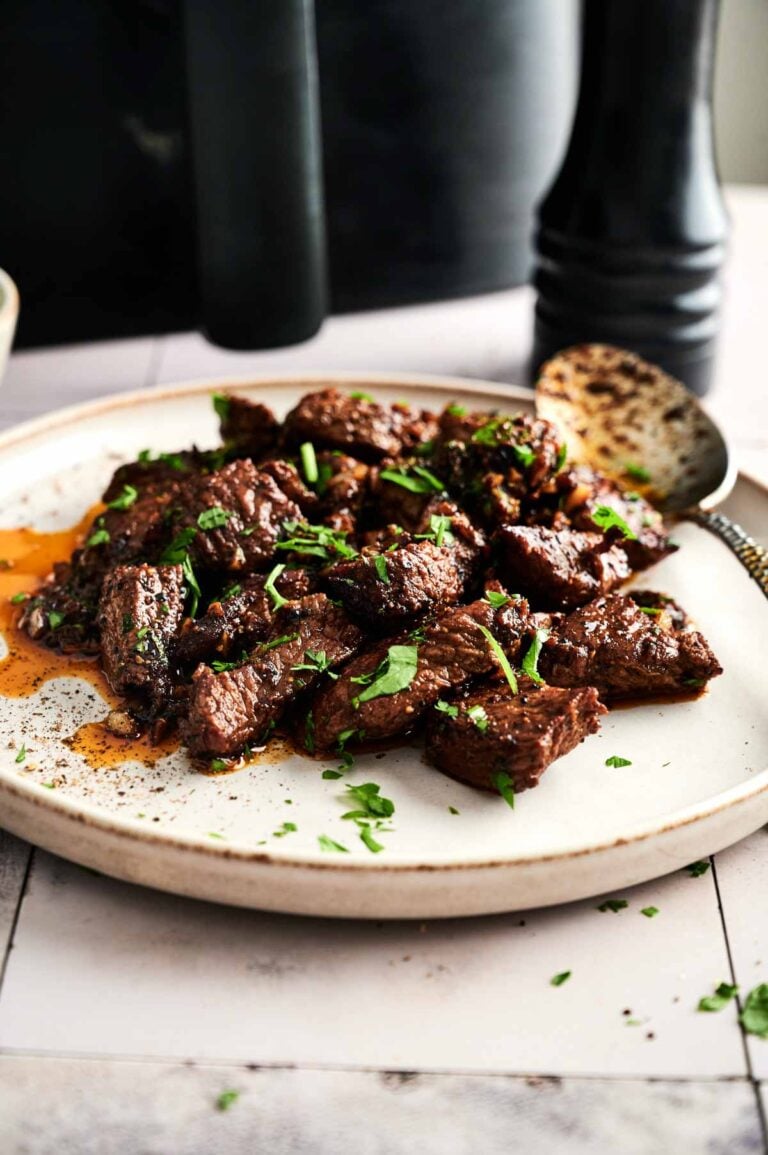
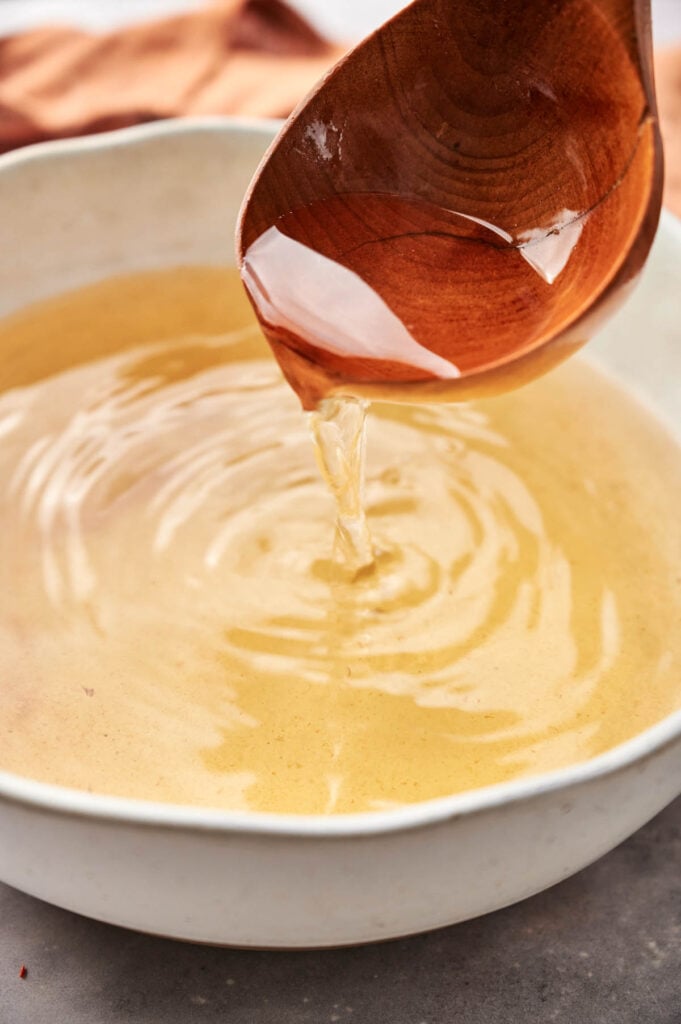
If you’re curious about adding that mysterious, deep umami flavor to your dishes, making Dashi from scratch is the perfect starting point. This traditional Japanese broth is surprisingly easy to make and is the backbone of many Japanese dishes, from miso soup to noodle soups and more. All you need is a couple of ingredients and you’re a few steps away from sipping on your own dashi.
This post contains affiliate links. As an Amazon Affiliate, if you purchase through those links, I earn a small commission. Thank you!
I like keeping a jar of dashi in the fridge because it makes any Japanese recipe come together faster and feel more special—even on a weeknight. It stores well, freezes great, and honestly just makes dinners with family or friends feel a little more thoughtful without any stress.
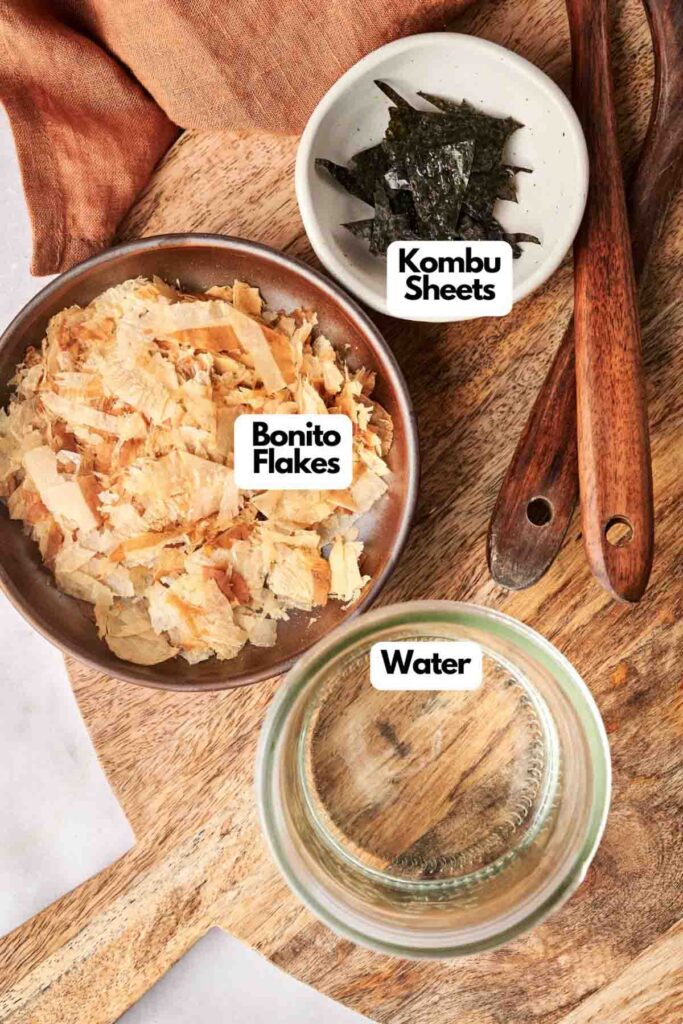
Ingredients You’ll Need
You’ll need all the ingredients in the photograph below.
How to Make Dashi with Step-By-Step Instructions
A complete printable recipe and the measurements in both US customary and metric are available in the recipe card below.
More flavorful than any instant dashi packet, creating dashi at home is a breeze. Let’s walk through the steps to make this foundational ingredient of Japanese cuisine.
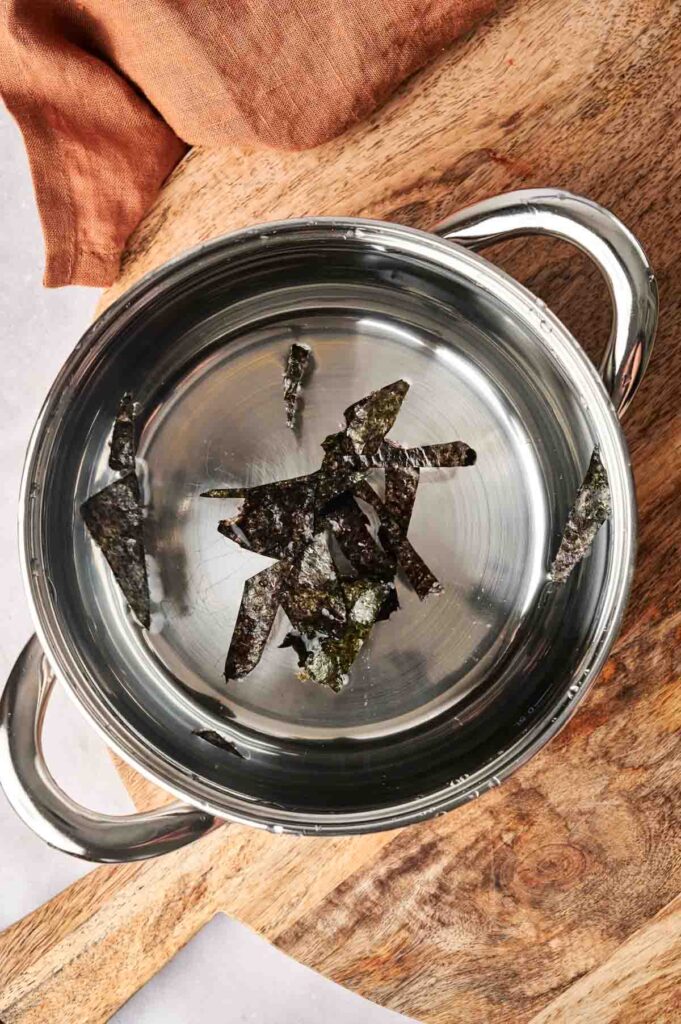
Soak the Kombu
Begin by filling a medium saucepan with water. Add your large pieces of kombu to the water, allowing them to soak for about 15 minutes. This gentle soak is crucial as it starts to release the kombu’s flavors.
Simmer
After soaking, heat the water and kombu over medium heat. Let it simmer gently for 5 minutes—no boiling here, as that can make the broth bitter. Then, carefully remove the kombu from the pot. The aim is to extract just enough of that oceanic flavor without overpowering bitterness.
Add the Katsuobushi
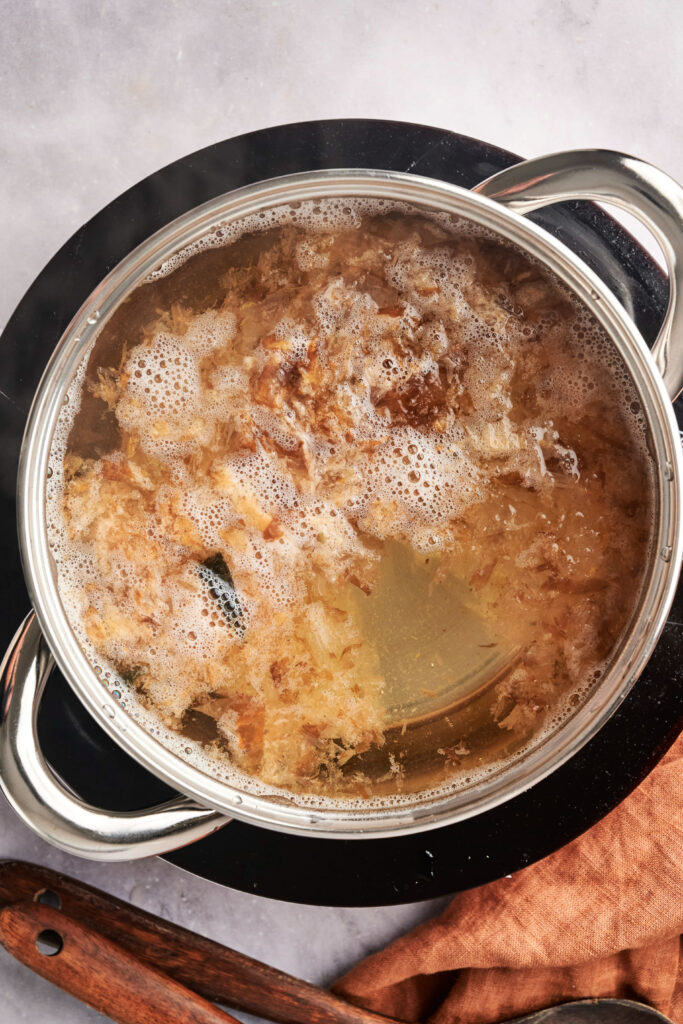
Next, scatter the Katsuobushi (bonito flakes) into the pot. Turn off the heat and let the flakes steep for about 10 minutes. This step infuses the broth with a smoky, fishy richness that’s key to dashi’s distinctive taste.
Strain and Enjoy!
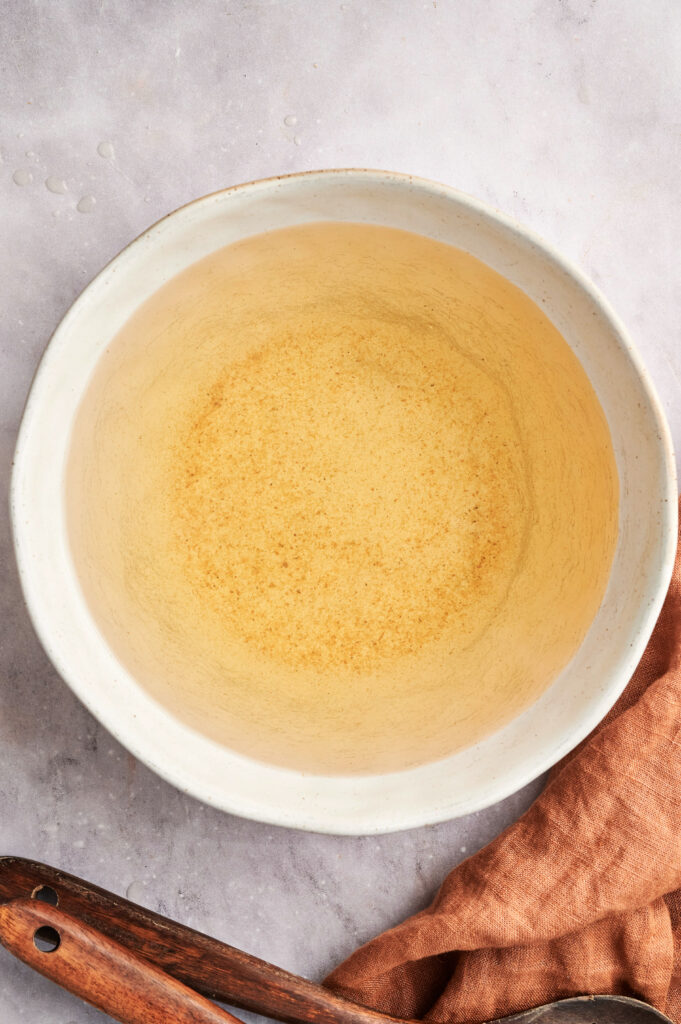
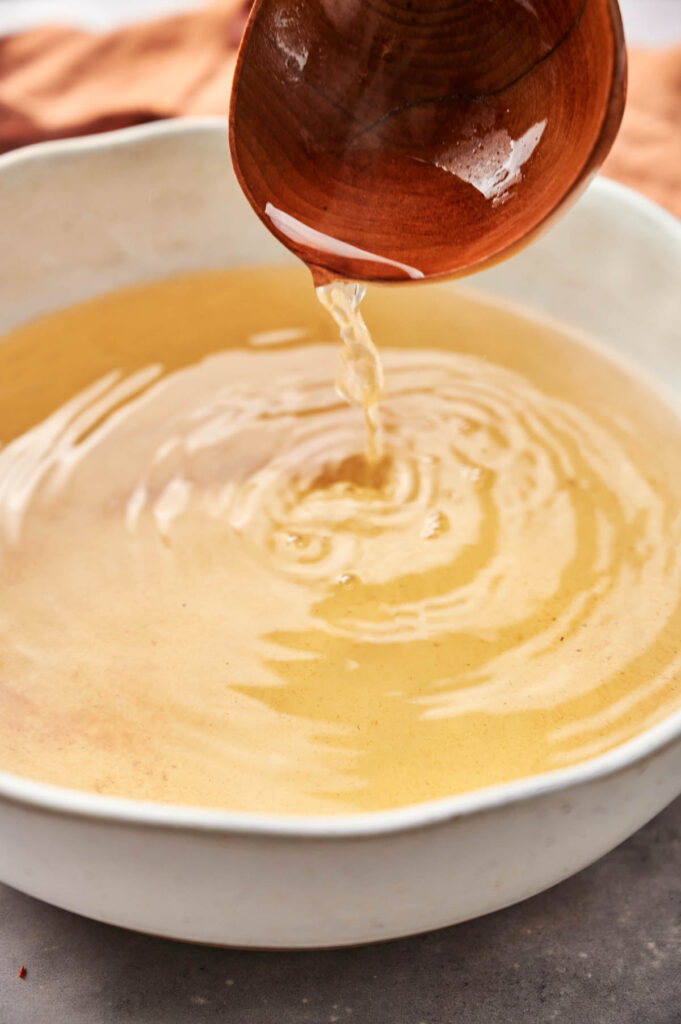
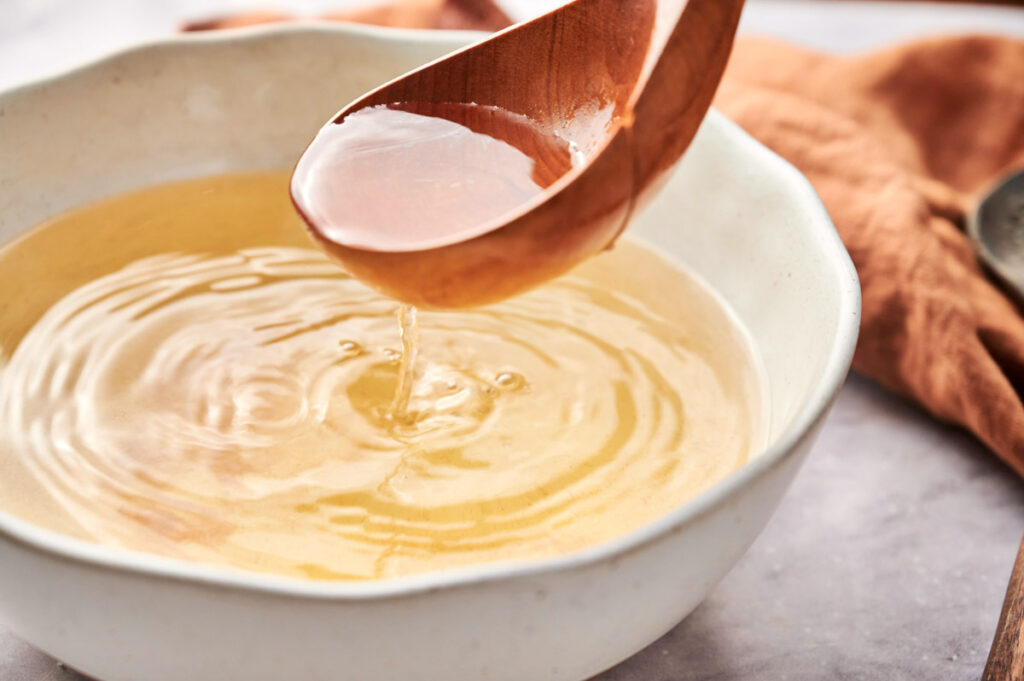
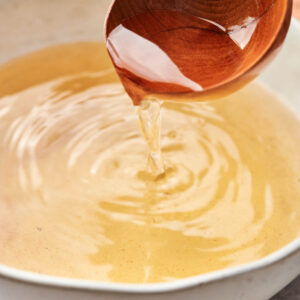
Finally, strain the broth through a fine-mesh strainer to remove the bonito flakes. What you’re left with is a clear, light, and flavorful liquid that’s ready to elevate any dish. Voilà, your kombu dashi Japanese soup stock is ready!
Recipe notes and expert cooking tips
Making this Japanese stock might be simple, but a few expert tips can ensure your broth is consistently great:
- Don’t overdo the heat: Never bring your kombu to a boil, as this releases unwanted bitter flavors. A gentle simmer is all you need.
- Bonito flakes: If you can’t find bonito flakes or need a vegetarian version, just use kombu or add dried shiitake mushrooms to create a deeply flavorful vegan dashi.
- Quality matters: Opt for high-quality, dried kombu and bonito flakes for the best results. The quality of these ingredients dramatically affects the depth of your dashi’s flavor.
- No waste: After straining, you can use the spent kombu and bonito flakes in other dishes, like omelets, or as a topping for rice, to add texture and flavor.
How to store leftover dashi
Got more dashi than you know what to do with? No problem! Storing dashi is as easy as making it:
- Cool and Airtight: Allow your dashi to reach room temperature before storing it, and transfer the dashi to airtight containers or jars.
- Refrigerate: Freshly made dashi can be kept in the fridge for up to a week.
- Freeze: If you need more time, freeze it in ice cube trays or freezer-safe containers for up to three months.
- Thawing: When ready to use, gently thaw your dashi in the refrigerator overnight or use the cubes directly in your Japanese cooking.
What to serve with dashi
Here are a few ideas to use up your batch of authentic Japanese dashi:
Miso Soup
Start with the classic. Miso paste and a dash of dashi create the soul-soothing miso soup that’s perfect for any day. Add tofu and seaweed for that authentic touch. Whether it’s a cold evening or you need a light lunch, this soup delivers warmth and nourishment in every spoonful.
Tempura Dipping Sauce
Mix dashi with soy sauce and mirin to create a dipping sauce that will elevate your tempura from good to unforgettable. This simple dip enhances the delicate flavors of battered and fried vegetables and seafood, making each bite a deep dive into flavor.
Noodle Soups
From udon and soba to ramen, use dashi as a base for noodle soups and it guarantees a rich and satisfying bowl every time. The broth deeply infuses the noodles and toppings with umami, tying all the components together in a harmonious slurp-worthy ensemble.
Oden
This hearty, one-pot wonder filled with boiled eggs, daikon, and fish cakes tastes even better when simmered in a dashi broth. The ingredients soak up the broth, becoming mouthwateringly tender and flavorful, perfect for chilly nights.
More Asian Recipes You Will Love
If you love Asian flavors, then you should check out some of my favorite recipes.
Easy Homemade Dashi
 Add Preferred Source
Ingredients
- 4 cups water
- 1-2 big pieces of kombu sheets
- 1 cup bonito flakes/katsuobushi
Instructions
- Fill a pot with the water and add the kombu. Let them soak for 15 minutes, heat to medium and let them simmer for 5 minutes. Remove the kombu from the water.4 cups water, 1-2 big pieces of kombu sheets
- Add the katsuobushi to the pot and let them soak for 10 more minutes.1 cup bonito flakes/katsuobushi
- Drain everything and you have your dashi.
Notes
- Don’t overdo the heat: Never bring your kombu to a boil, as this releases unwanted bitter flavors. A gentle simmer is all you need.
- Bonito flakes: If you can’t find bonito flakes or need a vegetarian version, just use kombu or add dried shiitake mushrooms to create a deeply flavorful vegan dashi.
- Quality matters: Opt for high-quality, dried kombu and bonito flakes for the best results. The quality of these ingredients dramatically affects the depth of your dashi’s flavor.
- No waste: After straining, you can use the spent kombu and bonito flakes in other dishes, like omelets, or as a topping for rice, to add texture and flavor.
Storage and Reheating Instructions
- Cool and Airtight: Allow your dashi to reach room temperature before storing it, and transfer the dashi to airtight containers or jars.
- Refrigerate: Freshly made dashi can be kept in the fridge for up to a week.
- Freeze: If you need more time, freeze it in ice cube trays or freezer-safe containers for up to three months.
- Thawing: When ready to use, gently thaw your dashi in the refrigerator overnight or use the cubes directly in your cooking.